The price comes from the shop and can change. Check price, size and delivery on the shop's page before you order.
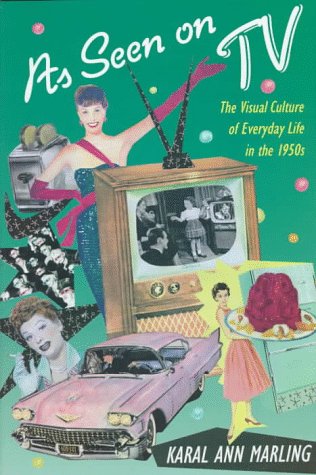
The cake in kitchen, the house in the suburbs, Mamie in her mink stole, Elvis in his pink Cadillac. It was America in the 1950s, and the world was not so much a stage as a setpiece for TV, the new national phenomenon. It was a time when how things looked - and how we looked - mattered, a decade of design that comes to vibrant life in As Seen on TV. This book captures a visual culture reflecting and reflected in the powerful new medium of television. Looking closely at a number of celebrated instances in which the principles of design dominated the public arena and captivated the popular imagination, Karal Ann Marling gives us a vivid picture of the taste and sensibility of the postwar era. From Walt Disney’s Wednesday night TV show, the leap was easy to his theme park, where the wildly popular TV characters could be seen firsthand, and Marling conducts us through this heady concoction of real life and fantasy. Next she takes us into the picture-perfect world of Betty Crocker’s Picture Cook Book of 1950, the runaway bestseller of the decade, and shows us how the look of food, culminating in the TV Dinner, attained paramount importance. From the painting-by-numbers fad to the public fascination with the First Lady’s apparel to the television sensation of Elvis Presley to the sculptural refinement of the automobile, Marling explores what Americans saw and what they looked for with a gaze newly trained by TV. A study in style, in material culture, in art history at eye level, her book shows us as never before those artful everyday objects that stood for American life in the 1950s, as seen on TV.