The price comes from the shop and can change. Check price, size and delivery on the shop's page before you order.
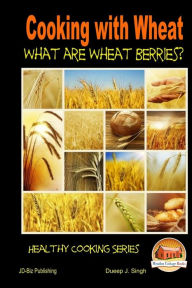
Cooking with Wheat - What are Wheat Berries? Table of Contents Introduction What Is a Wheat Berry Nutritional Specifications of Wheat The difference between parboiled And Cracked Wheat Our Daily Bread Plain White Bread How Do You Get the Right Flour Consistency? Shaping the Dough Making Plaits Dinner Rolls Mini cottage loaves Testing the bread Making a Cheese Loaf Perfect Bread Tips More Traditional Wheat Dishes Bulgur Pilaf Tabbouleh- Tabouli Salad Frumenty Cous-cous Appendix Traditional Chicken Soup Panjiri- Pinnis Conclusion Author Bio Publisher Introduction When man decided more than 10,000 years ago that he had had enough of having a life as a hunter and wanted to settle down as a farmer, that was a signal change in the history of mankind. Prehistoric history does not tell us where man first began cultivating cereals as a grain for his family and for the people of his settlement. But archaeological excavations have found vestiges of this cultivated plant in settlements more than 10,000 years old in the Mesopotamian region. I would not be surprised if this wild grass was first cultivated in the area, especially near the river Tigris, Syria, Iraq, Lebanon, Babylon, etc. After that, the cultivation of this particular wild grass, in the form of wheat spread all over the world, including Europe, Asia, Africa, - especially Egypt, where this grain was brewed into beer and drunk in large quantities by Pharoah and peasant alike millenniums ago - Turkey and all the places where there were hungry mouths to feed, and there were fertile lands to provide that grain to feed them. This book introduces you to one of these most prolific and healthy cereals - wheat. Wheat in its original form was a wild grass. Down the ages, it began to get domesticated, and the grains grew larger. Instead of being harvested by the wind in its wild form, the grains stayed attached to spikelets, until the farmer came with his scythe to harvest a rich crop of golden wheat.