Making a big pot of soup is one of the smartest things you can do in the kitchen. A single afternoon of cooking can give you lunches for the week and a stash of easy dinners in the freezer for busy days. To get the most out of batch cooking, though, you need to cool, store and reheat your soup the right way. Here is how to do it so your soup tastes just as good the second time around.
Cool Your Soup Quickly
A large pot of hot soup holds its heat for a long time. Leaving it to cool slowly on the stove for hours is not a good idea, as food safety guidance generally recommends getting cooked food into the fridge promptly. To cool soup faster:
- Divide it into smaller, shallow containers so it cools more evenly.
- Place the pot in a sink filled with cold water and ice, and stir now and then.
- Leave lids off or slightly open until the soup has cooled, then seal.
Once cooled, keep soup in the fridge and eat it within a few days. If in doubt about how long something has been stored, it is safest to throw it out.
Which Soups Freeze Best?
Most soups freeze well, but some handle it better than others.
- Freeze well: broth-based vegetable soups, bean and lentil soups, minestrone, chili, tomato soup and most pureed soups.
- Freeze with care: soups with pasta or rice, which can turn soft. Cook the pasta separately and add it when you reheat.
- Can be tricky: soups made with cream, milk or cheese can separate when thawed. Freeze the soup base and stir in the dairy after reheating.
- Potatoes: chunks of potato can become grainy in the freezer, though pureed potato soups usually hold up well.
For ideas on what to cook, browse our soup recipes section.
Freezing Tips and Containers
The right container makes freezing and thawing much easier.
- Freezer bags: fill, squeeze out the air and lay them flat to freeze. Once solid, they stack neatly like books.
- Plastic or glass containers: choose ones labeled freezer-safe, and leave space at the top because liquids expand as they freeze.
- Portion sizes: freeze in single or double servings so you only thaw what you need.
- Labels: write the name of the soup and the date on every container. It is easy to forget what is inside once it is frozen.
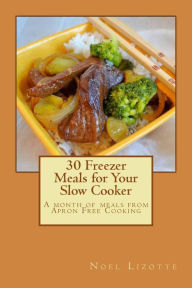
For the best flavor and texture, aim to use frozen soup within a few months. If you enjoy planning ahead, a cookbook like 30 Freezer Meals for Your Slow Cooker can give you more make-ahead ideas.
Thawing and Reheating
The safest way to thaw soup is overnight in the fridge. If you are short on time, you can reheat it straight from frozen in a saucepan over low heat, stirring often and adding a splash of water or broth if it looks too thick. Heat the soup until it is steaming hot all the way through before serving.
Reheat only what you plan to eat, and avoid refreezing soup that has already been thawed. Finish with a few fresh herbs, a squeeze of lemon or a spoonful of yogurt and nobody will guess it came from the freezer.